
Self-Inquiry with Javier Gómez Rodríguez, October 16, 2025
We meandered about for a while until we somehow came up with the subject of nostalgia which, according to its etymology, from Greek nostos ‘return home’ + algos ‘pain’, which was used to translate the German Heimweh, means acute homesickness. (I am afraid I may have confused this meaning by translating nostos as ‘old’, meaning that nostalgia was necessarily for something in the past, which it is.) This sense of nostalgia, of looking back with longing to a past whose remembrance represents a happier time, seems to be a universal phenomenon. Ultimately, it gets translated as the longing for lost paradise, a time of innoncence and untroubled existence. In most of us it takes the form of a nostalgia of childhood, even when that childhood was not, on the face of it, a happy one.
Since we touched on the idea of paradise, the sense of shame came up. One of the participants shared with the group the enduring sense of shame that had pervaded his life. According to the Genesis story, shame was the first reaction of Adam and Eve after their fall from grace. After eating of the fruit of the tree of the knowledge of good and evil, they felt ashamed of their nakedness, so they proceeded to hide it and to hide themselves from god. This gave them away, since they could not have known about their nakedness nor felt shame without eating of the fruit of that fateful tree. So one of the implications of shame is that we are afraid or embarrassed to be naked before another or even in our own eyes.
Shame and guilt are also used by society to control its members. It has to do with the set of standard values of the culture against which our thoughts, feelings and actions are measured as virtuous or reprobate. The whole system of reward and punishment serves the same purpose. Naming and shaming are collective disciplinary tactics. What is shamed is the self-image as disapproved of in the eyes of others. And that same system is internalised and becomes the source of continuous self-censure.
What if we were to stand totally naked before our own eyes and the eyes of others? What would happen if that kind of total honesty were possible? That would not be the same as the shameless vulgarity of washing one’s dirty linen in public, preferably for a profit. We are talking about dissolving the dualistic struggle within ourselves and with others regarding the traditional division between what is and what should be which is the very source of shame.
No masks, no fig leaves, no nostalgic escape into the past, no utopian flight into the future. Just facing the mirror and observing ourselves unflinchingly as we are, warts and all. That might be part of innocence, to stay with what is for, as K said, there is no contradiction in facts and it is contradiction that makes for conflict and hurt. Would that be a step in regaining our paradise lost?
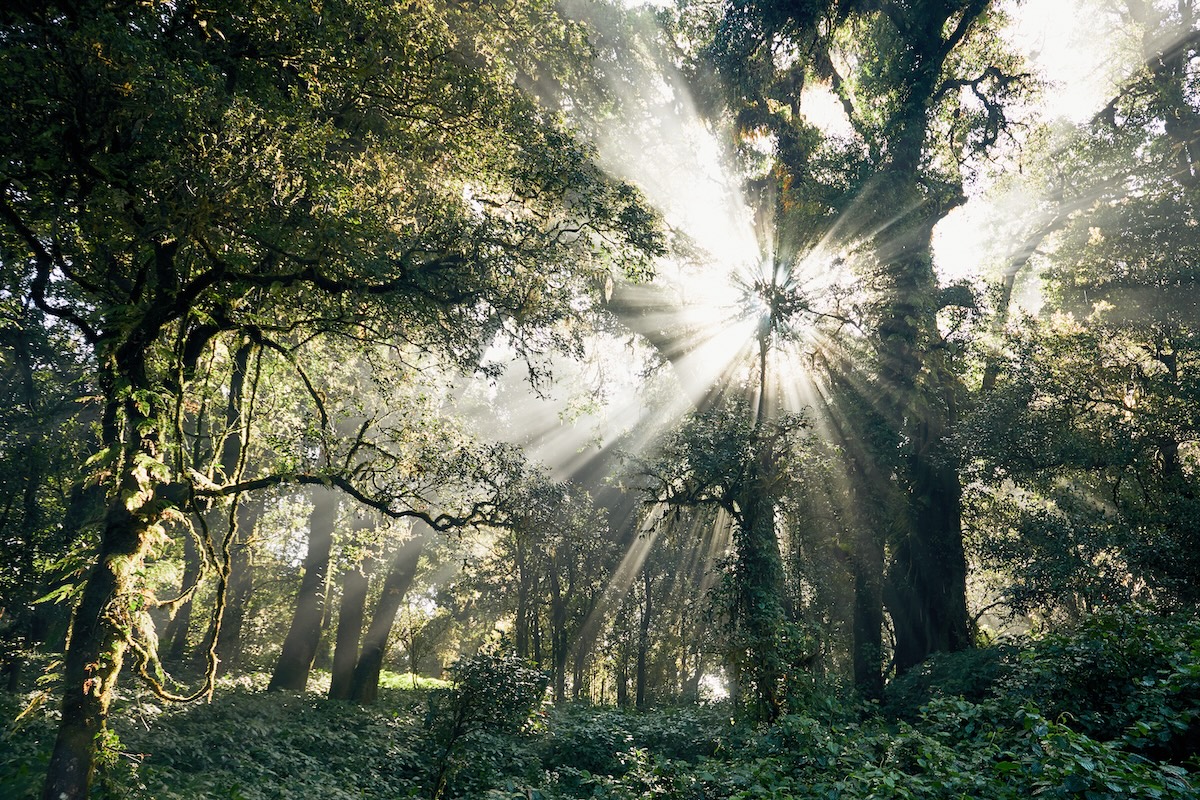
And, if we looked outside through the large windows, we could see that we were not far from the garden.
Javier Gómez Rodríguez

