
Inquiry with Javier Gomez Rodriguez, November 8, 2026
We met at the Gatehouse, continuing with the theme of freedom from Thursday’s meeting. The discussion began with a question about the enormous amount of psychological energy we spend trying to achieve freedom, while often doing things that keep us trapped. What would it mean to have a clean slate, free from the constant chatter of the mind?
We listened to an excerpt from K’s 1977 talk in Ojai:
“I’ve no problem because I don’t mind what happens. I don’t mind if I fail or succeed; I don’t mind if I have money or not money… I have no problem because I don’t demand anything from anybody or from life.”
The distinction between physical needs and psychological expectations was made. Perhaps much of our frustration comes not from what we need, but from the constant demand that life and other people should be different from what they are.
One participant shared a powerful experience from her youth, when she encountered what felt like a black void and experienced an overwhelming fear of death. She asked a question: “What is this life?” This opened up questions about the fear of letting go of everything we identify with and led to a broader exploration of the collective nature of human suffering. The group considered how fear and hurt can produce anger, conflict and even deliberate harm.
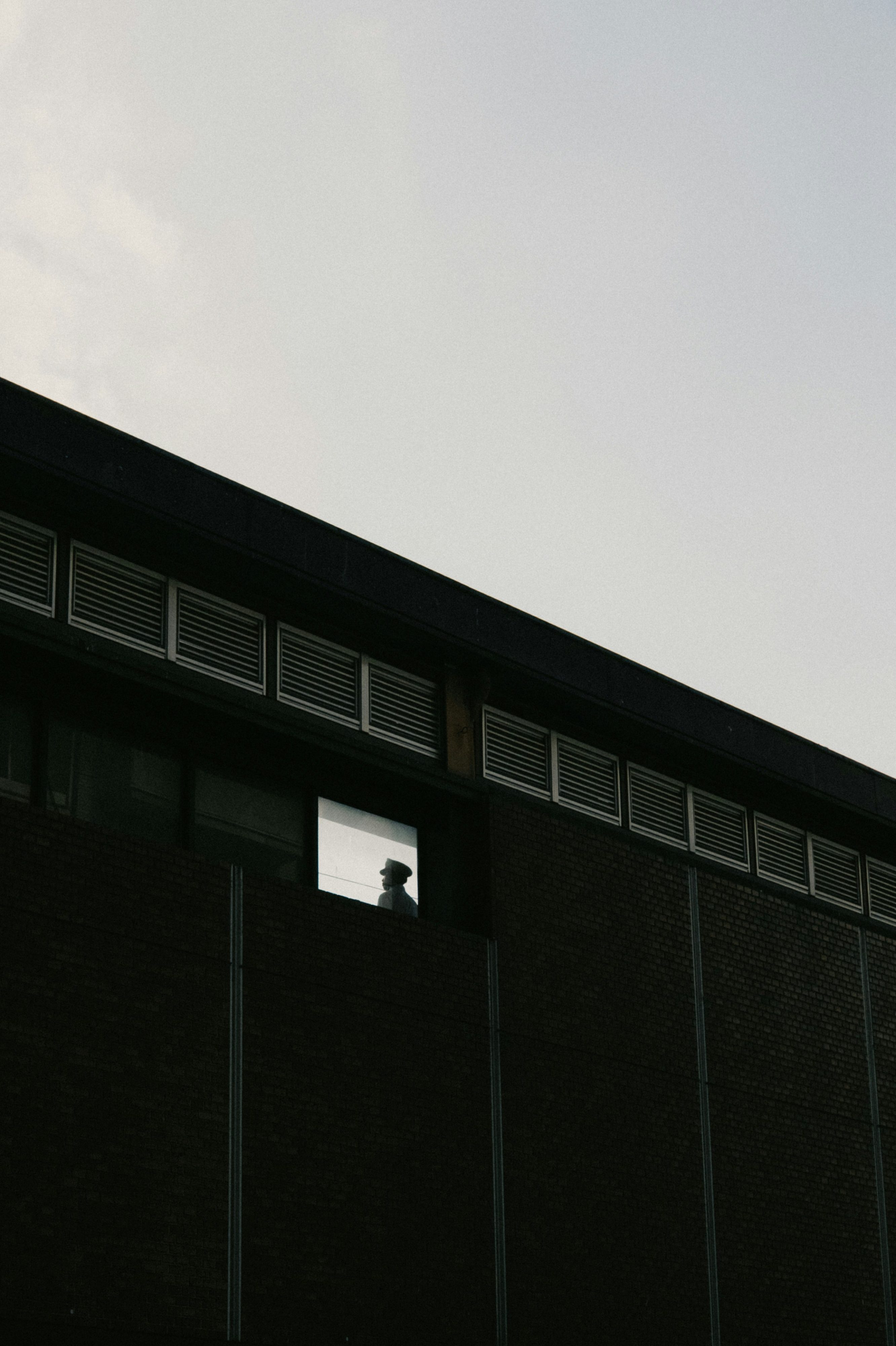
The question of evil arose, particularly whether harmful actions originate in pain, fear and a deep disconnection from love. Could recognising our shared vulnerability be the beginning of compassion? Javier introduced the image of a prison as a metaphor for psychological conditioning. We live enclosed in our past, held by our judgements, fears, hopes and desires. The very image we have of ourselves, our sense of identity and the need to defend and protect it, create the walls of this prison. As K put it:
“Nobody can put you in prison psychologically. You are already there.”
Freedom, then, may begin with seeing how we build and maintain this prison, rather than trying to escape it through the very movement of the self that created it.
Javier also brought the discussion to the deeper question of an original hurt – a fundamental wound that may lie at the centre of human consciousness, not simply as an individual experience but as something we share collectively.
The dialogue returned to the importance of looking without judgement or analysis, without immediately seeking answers. Could there be a transformation simply through seeing what is actually happening within ourselves? The meeting ended with this invitation to keep looking, both individually and together.
- Anastasia Shtamina

